I. Introduction
Body armor isn't a line item buried in a budget spreadsheet. It's foundational PPE, the same category as a duty weapon or a radio, and it belongs to every officer walking into unpredictable situations every single shift. A patrol stop that looks routine can turn into a gunfight in under two seconds, and the vest an officer puts on that morning is what decides whether they're going home that night.
The threats have gotten more varied, not less. Rifle-capable threats show up on patrol calls that used to be strictly a SWAT problem. Correctional facilities and courthouses deal with improvised weapons that don't fit neatly into any old category. Picking the right armor isn't about buying the most expensive plate on the catalog page. It's about matching real protection to the actual threats a department's officers are likely to face, and knowing the standards well enough to make that call with confidence.
II. Understanding NIJ Threat Levels
The National Institute of Justice sets the testing standard the entire body armor industry gets measured against, and every agency making a purchasing decision needs to understand what those levels actually mean before signing off on an order.
Under NIJ 0101.06, the standard most departments still reference day to day, armor gets classified into five levels: IIA, II, IIIA, III, and IV.
IIA and II are the lightest soft armor levels, built to stop lower and mid-velocity handgun rounds like 9mm and .40 S&W.
IIIA sits at the top of the soft armor category and stops most handgun threats an officer is realistically going to encounter on patrol, including higher-velocity 9mm and .44 Magnum rounds. That's where the vast majority of daily-wear patrol vests land.
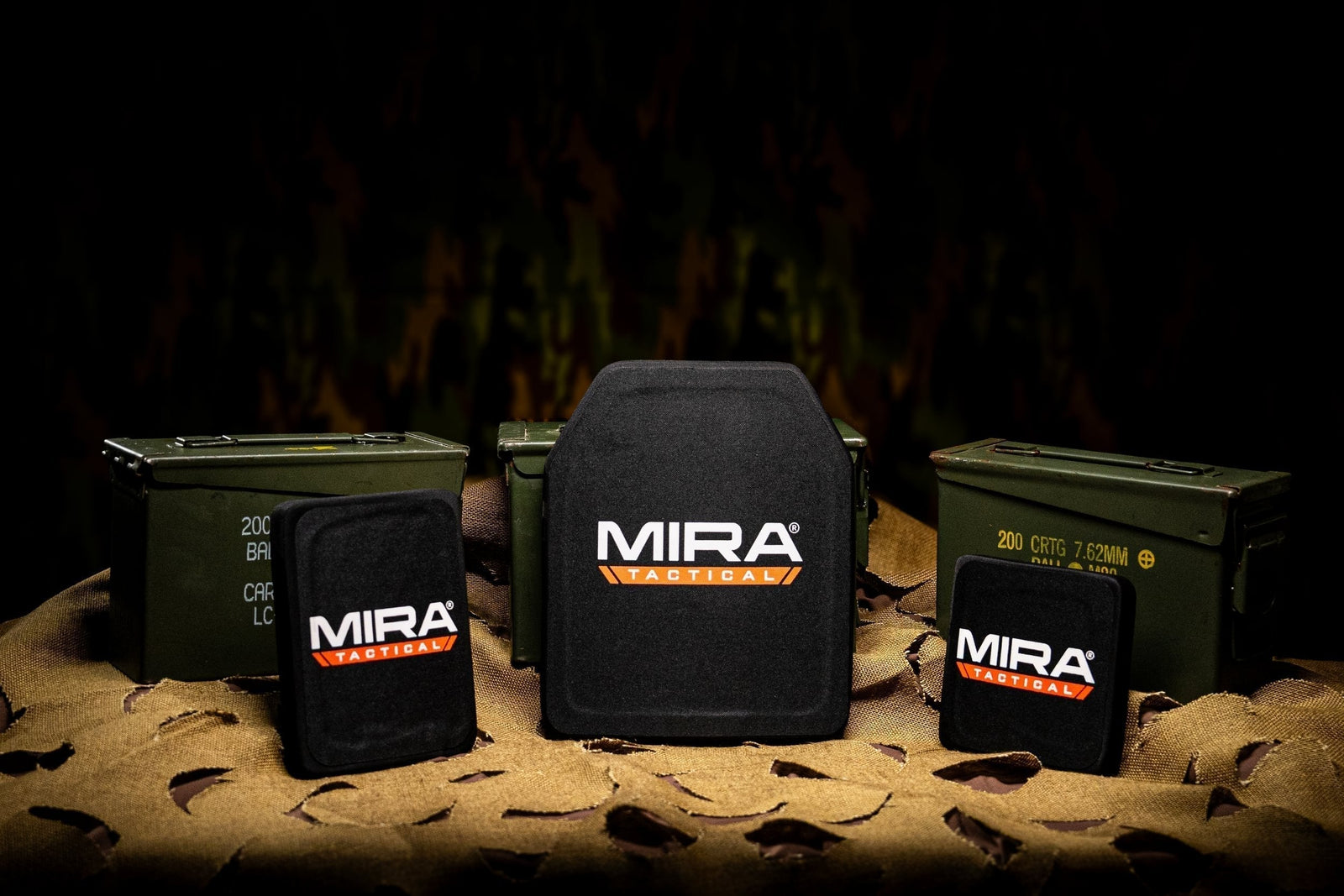
Once the threat moves to rifle rounds, soft armor is no longer sufficient. That's where hard armor plates come in. Level III plates are designed to stop common rifle threats, including 5.56×45mm NATO (.223 caliber) and 7.62×51mm NATO (.308 caliber) ball ammunition. While 5.56 NATO is the more common rifle caliber encountered in many modern active shooter incidents due to the widespread use of AR-15-style rifles, both 5.56 and 7.62 NATO represent serious rifle threats that law enforcement officers and tactical teams may face during active shooter events, barricaded subject incidents, and other high-risk operations.
NIJ has since rolled out an updated standard, 0101.07, which restructures the classifications under different labels: HG1 and HG2 for handgun threats, RF1 through RF3 for rifle threats. The new standard isn't a straight one-to-one swap with the old levels, and departments transitioning their inventory need to actually read the comparison charts rather than assume a IIIA vest and an HG2 vest are identical.
| Old Rating | New Rating |
|---|---|
| Level II | HG1 |
| Level IIIA | HG2 |
| Level III | RF1 |
| Level III+ (not previously official) | RF2 |
| Level IV | RF3 |
Agencies still operating under 06-labeled inventory aren't automatically out of compliance, but new procurement should be evaluated against whichever standard the department's policy and any applicable grant requirements specify.
The practical takeaway: soft armor is designed for everyday handgun threats and is commonly worn under a uniform during routine patrol. Hard armor plates are designed to defeat rifle threats and are typically worn during higher-risk operations, either as standalone plates in a plate carrier or, in the case of some ICW (In Conjunction With) plates, over soft armor. Understanding the difference—and knowing the capabilities and limitations of the armor you're wearing—is critical. Assuming all armor provides the same level of protection can leave officers under-protected when the threat escalates.
III. What Are The Types of Body Armor for Different Law Enforcement Roles?
Different roles carry different threat profiles, and the armor should reflect that instead of treating every assignment the same.
Patrol officer daily-wear vests. These need to be worn for an entire shift, every shift, without becoming a reason officers start skipping compliance. Concealable soft armor at Level IIIA is the standard for most patrol assignments, built into a low-profile carrier that fits under a uniform shirt without printing or restricting movement during a foot pursuit or a physical altercation.
Tactical and SWAT plate carriers. Entry teams and specialized units need external carrier systems built to hold hard plates, typically Level III or IV, along with pouches for magazines, medical gear, and communications equipment. These carriers prioritize modularity and quick plate access over concealment, since the whole point is visible, rapid deployment for a specific operation rather than all-day wear under a uniform.
Concealable versus external carrier systems. Concealable carriers work for undercover assignments, plainclothes detectives, and any role where the officer needs to blend in. External carriers work when speed of deployment and modular gear attachment matter more than staying hidden. Some departments issue both to the same officer depending on assignment, and that's not overkill, that's matching the gear to the actual job on a given day.
Correctional officers and court security. These roles face a different threat entirely: edged weapons, improvised shanks, and blunt-force attacks rather than firearms in most facilities. Stab-resistant and spike-resistant armor, rated under a separate NIJ standard from ballistic armor, is often the more relevant protection here. Some facilities need combination armor rated for both ballistic and edged-weapon threats, particularly at intake and processing areas where the risk profile is harder to predict.
IV. Fit, Comfort, and Officer Compliance
Armor that doesn't fit right doesn't get worn right, and armor that isn't worn does nothing.
Poor fit isn't just uncomfortable, it's a real risk. A vest that's too large shifts during movement and leaves gaps in coverage exactly where an officer needs protection most. One that's too tight restricts breathing and range of motion during a physical confrontation, which can slow reaction time in a way that matters. Officers who feel restricted or in pain during a shift find ways to skip wearing the vest altogether, and that compliance gap is one of the most preventable causes of preventable injury in this profession.
Weight distribution matters just as much over a full shift. A vest that concentrates weight on the shoulders will wear an officer down over ten or twelve hours in a way that a properly distributed load, spread across shoulders and hips, won't. Extended shifts, ride-alongs, and standing posts all demand armor that an officer can wear for hours without fighting fatigue that has nothing to do with the actual job.
V. Lifespan, Care, and Warranty Considerations
Ballistic panels don't fail dramatically. They fail quietly, over time, and that's what makes this section easy to ignore until it's too late.
UV exposure, moisture, and repeated flexing all degrade the ballistic fibers inside a soft armor panel, even when the exterior carrier still looks fine. A vest that's been sitting in a hot patrol car for five summers straight has likely lost real ballistic performance that no visual inspection will catch. Most manufacturers rate their soft armor panels for a five-year service life under normal conditions, though heat, humidity, and heavy daily wear can shorten that window considerably.
Manufacturer warranties typically track that same five-year window, and the fine print matters. Some warranties cover manufacturing defects only, while others include performance guarantees tied to specific storage and care requirements. Departments should keep records of purchase dates, expiration dates, and any documented exposure to extreme conditions for every vest in inventory, not just wait for an officer to ask when their vest is due for replacement.
Replacement scheduling shouldn't be reactive. Departments running a proper readiness program build ballistic panel replacement into the budget cycle the same way they budget for ammunition or vehicle maintenance, tracking expiration dates across the fleet and staggering replacement so the department isn't hit with the full cost of re-outfitting everyone in the same fiscal year. Waiting until a vest fails inspection, or worse, fails on the street, is the expensive way to learn this lesson.
VI. Procurement Considerations for Agencies
Outfitting an entire fleet with certified armor is a real budget line, and departments that plan it out get better outcomes than departments that scramble.
Fleet-wide upgrades need to be budgeted in phases tied to actual expiration schedules rather than attempted as one massive purchase that blows the annual budget. Staggering replacement by squad, unit, or expiration date keeps the department protected without the financial shock of replacing everything at once.
Grant funding is worth exploring for agencies working within tight municipal budgets. Federal programs like the Bulletproof Vest Partnership exist specifically to help offset armor costs for eligible departments, and state-level programs sometimes supplement that further. Requirements and funding cycles vary and change from year to year, so departments should check current eligibility and application windows directly rather than assuming last year's terms still apply.
Vendor vetting deserves the same scrutiny as the armor itself. Confirm the vendor's products carry current NIJ Certification, not certification to a standard that's since been updated or discontinued. Also be cautious of marketing claims that a product is "NIJ tested." While that may mean the armor was tested using NIJ protocols, it is not the same as NIJ Certification, which requires independent laboratory testing, factory inspections, and inclusion on the NIJ Compliant Products List (CPL).
VII. The Bottom Line
Choosing body armor comes down to a defined set of factors: understanding what each NIJ threat level actually stops, matching armor type to the specific role and risk profile, getting the fit right so officers actually wear it, and staying ahead of ballistic panel degradation before it becomes a liability. None of that happens by accident. It happens through a procurement process that treats armor as ongoing infrastructure rather than a one-time purchase.
Departments that get this right protect their officers and protect their budget at the same time, since planned replacement always costs less than emergency replacement. Review MIRA Safety's body armor lineup and request a consultation to make sure your agency's protection matches the threats your officers are actually facing today.
Frequently Asked Questions
What are the NIJ body armor levels?
What is the difference between Level IIIA and Level III body armor?
How long does body armor last before it needs to be replaced?
What is the difference between NIJ certified and NIJ tested body armor?
Is there funding available to help agencies purchase body armor?
About the author